
Tennis Elbow & Golfer’s Elbow Treatment in South Brunswick
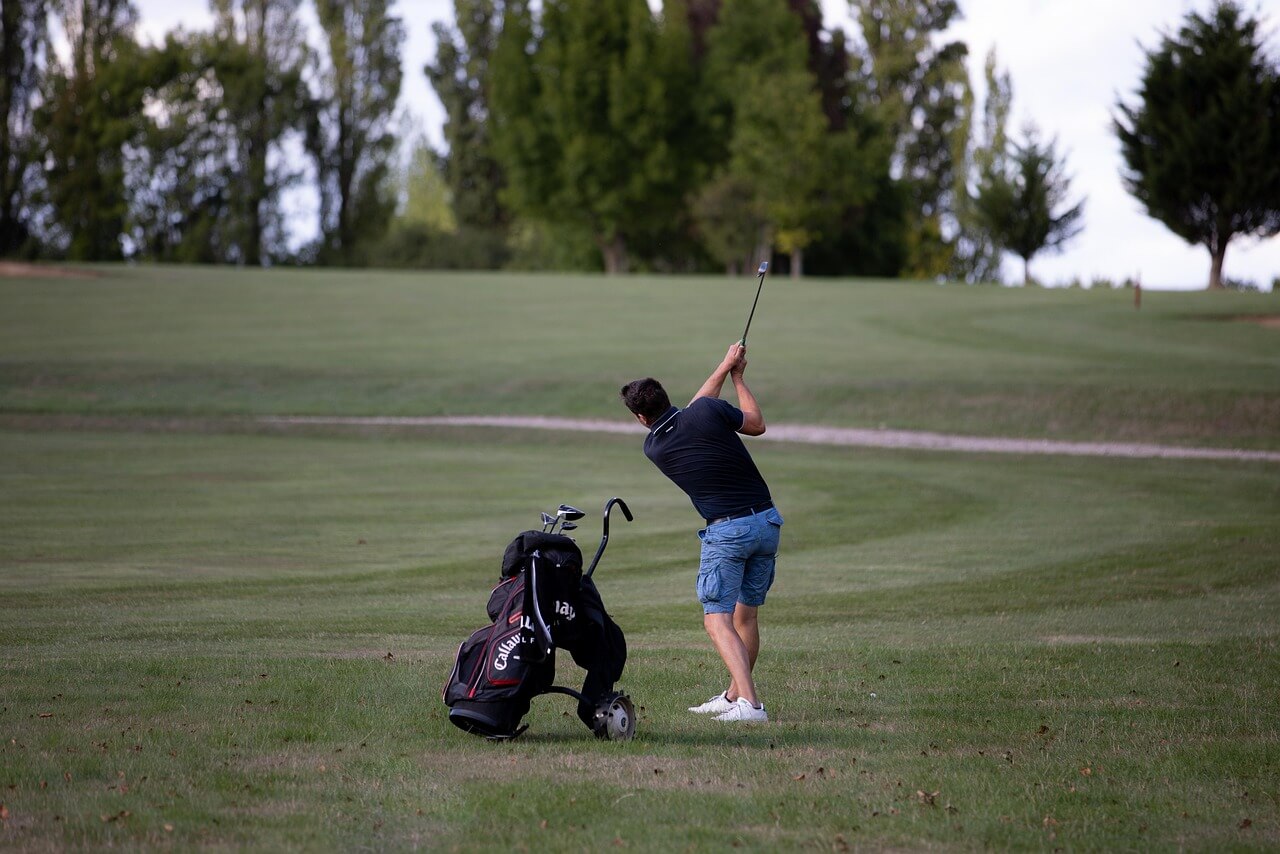 Elbow pain can turn everyday movements into constant frustration. Reaching for a coffee mug, turning a doorknob, or typing through a workday can all become sharp reminders that something isn’t right. Whether you’re dealing with tennis elbow on the outside of your elbow or golfer’s elbow on the inside, both conditions respond well to conservative, hands-on care.
When Tendons Take More Than They Can Handle
Tennis elbow (lateral epicondylitis) and golfer’s elbow (medial epicondylitis) are both overuse injuries that develop when the tendons attaching your forearm muscles to the elbow become irritated and inflamed. They differ only in which side of the elbow is affected. Despite the names, these conditions are not limited to tennis players or golfers.
The Everyday Activities That Load These Tendons Most
Repetitive motion is the most common culprit, but it doesn’t take an athletic career to get there. These conditions frequently develop from:
- Racket sports, golf, and throwing activities
- Contractor and trades work involving gripping, twisting, or tool use
- Office work and extended keyboard or mouse use
- Weightlifting and gym training with high repetition volume
- Any sustained task requiring repeated wrist and forearm movement
Pain That Builds Gradually,
Then Doesn’t Go Away
Both conditions tend to start as mild discomfort that patients work through. Over time, the pain becomes harder to ignore.
Common symptoms include burning or aching along the outside or inside of the elbow, weak grip strength, and pain that worsens when lifting, gripping, or twisting the wrist. Many patients also notice the discomfort radiating into the forearm or wrist, which can be mistaken for a nerve issue.
If rest isn’t improving things, or if symptoms have been present for several weeks, that’s a sign the tendon needs more than time off.
When Rest Stops Being Enough
If you’ve modified your activity, stretched, and waited, and the pain keeps coming back, it’s worth getting a proper evaluation. Chronic tendon injuries rarely resolve fully on their own without addressing the underlying loading patterns and tissue damage. The earlier you get care, the less likely these conditions are to become long-term problems.
A Plan Built Around the Injury, Not a Generic Protocol
At Grossman Chiropractic & Physical Therapy, every patient with elbow pain starts with a thorough evaluation to understand how the injury developed, how severe the tissue damage is, and what daily activities are driving the problem. Care is customized from there and may include chiropractic care, soft tissue therapy, corrective exercises, stretching and mobility work, and guidance on modifying activity during recovery.
For patients dealing with chronic or stubborn cases, we also offer EPAT therapy (Extracorporeal Pulse Activation Technology). EPAT uses acoustic pressure waves to stimulate circulation and accelerate the body’s natural healing response in damaged tendons. Many patients experience meaningful improvement after just a few sessions, without surgery or downtime.
Getting Back to Grip Strength and Daily Function
Patients who commit to a full course of care typically see improvement in pain levels, grip strength, and the ability to return to the activities that were triggering their symptoms. The focus isn’t just on getting you out of pain. It’s on helping the tendon heal correctly so the problem doesn’t come back.
Ready to stop managing the pain and start treating the cause? Contact Grossman Chiropractic & Physical Therapy to schedule an evaluation and find out whether chiropractic care or EPAT therapy is the right fit for your recovery.
